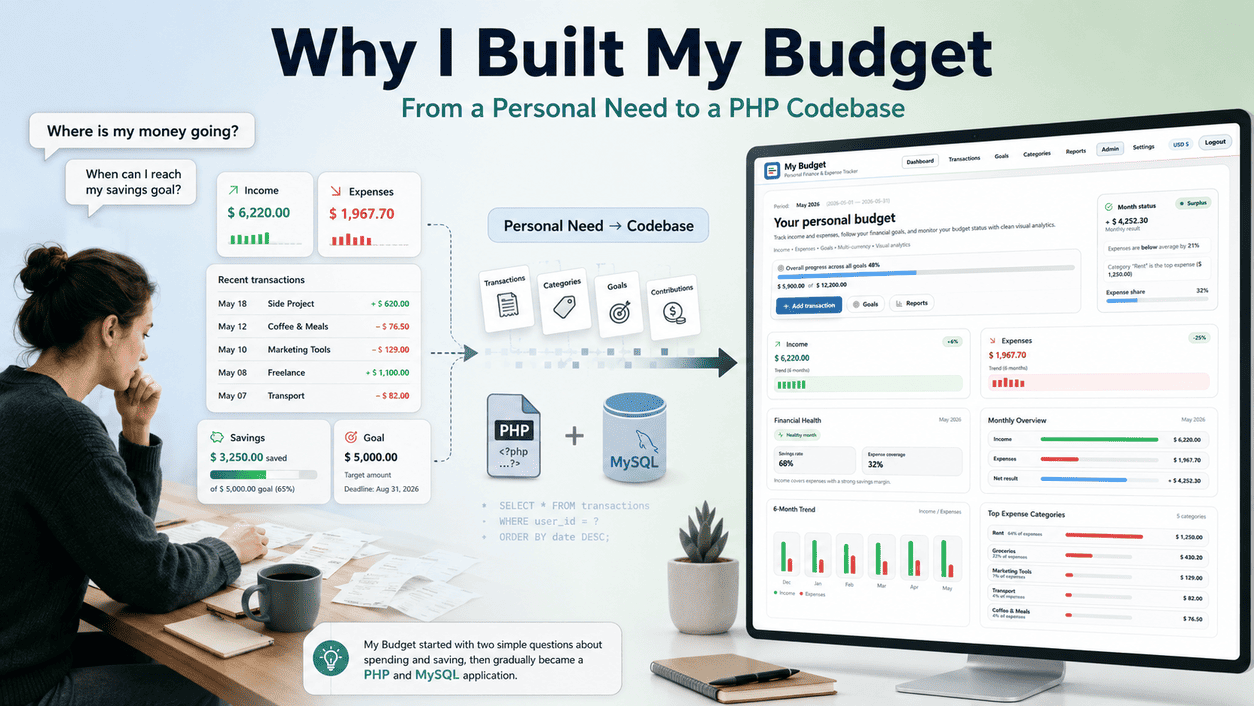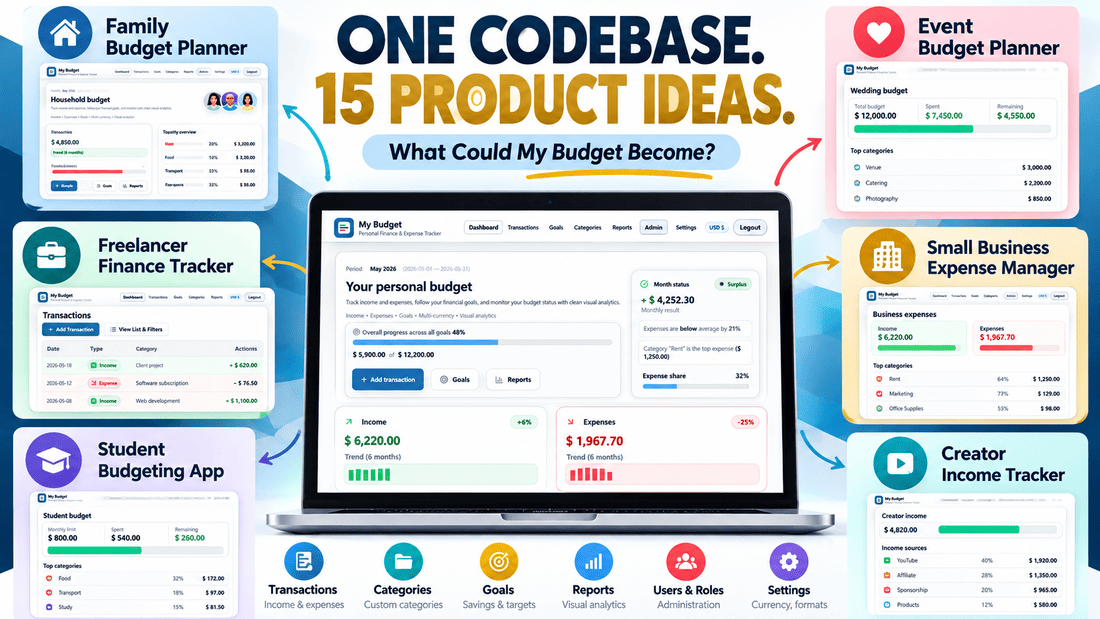
A personal finance application seems to have a fairly obvious purpose. You enter your income, record your expenses, check how much money you have left and perhaps set a savings goal for something you want to buy.
But what happens when you stop looking at the application as a budgeting tool and start looking at the software underneath it?
A transaction doesn't necessarily have to represent someone's grocery shopping. It could be a freelancer's business expense, a payment towards a wedding, a donation to a community project or the cost of maintaining a rental property.
The same applies to categories, reports, financial goals and dashboards. These are not exclusively personal finance features. They are common building blocks that can serve different purposes.
That is one of the interesting things about My Budget , the self-hosted PHP/MySQL source-code product I've been developing for Cordinant.
Although My Budget was designed around personal finance, I've been thinking about what else someone could create using its existing codebase. Some possibilities are fairly straightforward. Others would require considerable changes to the database, interface and application logic.
Here are fifteen directions worth exploring, along with a closer look at where reusing existing software makes sense and where it becomes more complicated.
A Budgeting App Is More Than Its Dashboard
When you open a budgeting application, most of what you notice is the interface: charts, balances, transaction lists, spending categories and financial goals.
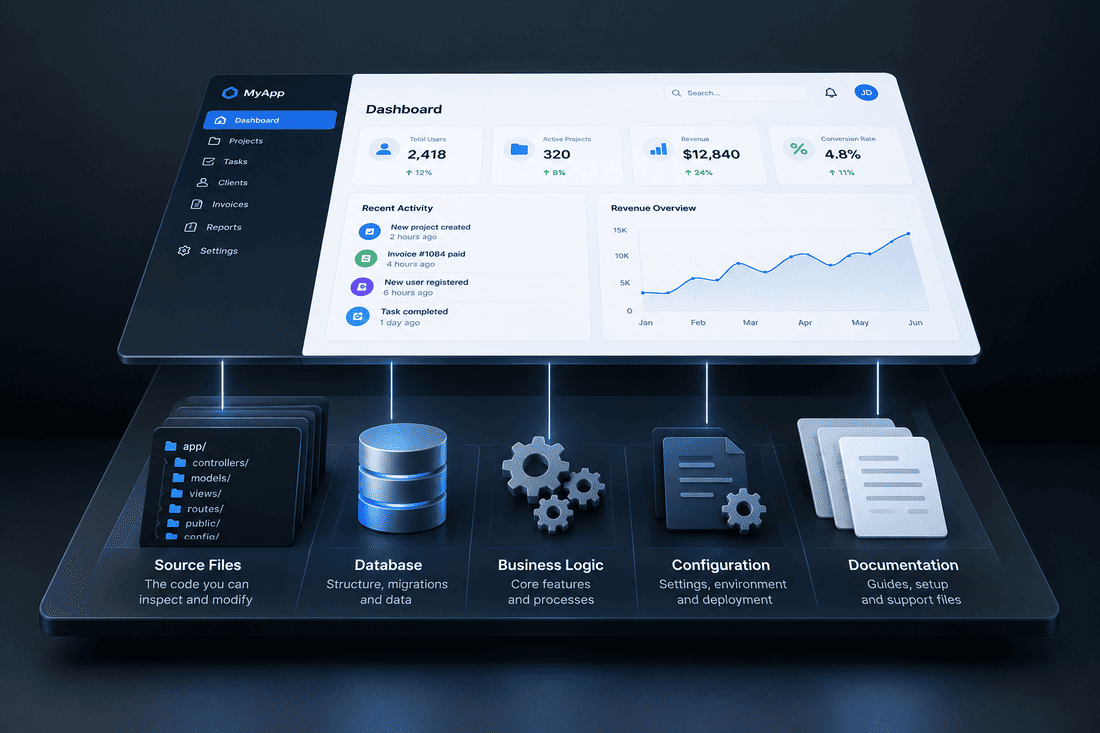
But those visible elements depend on functionality that is less interesting to look at and often takes considerable work to develop.
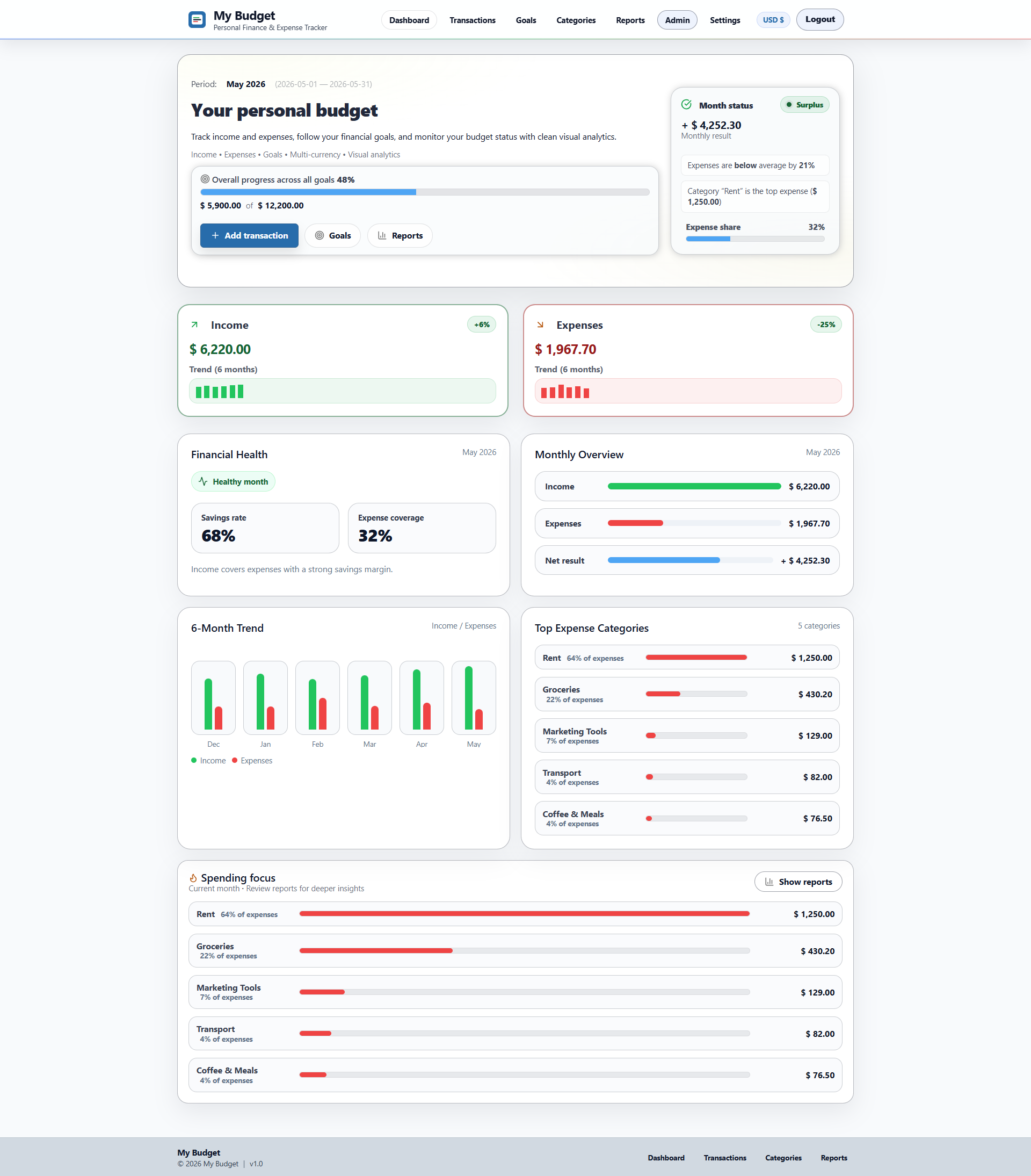
My Budget already includes user authentication, transaction management, income and expense categories, financial goals and contributions, dashboard analytics, reports, CSV exports, user roles and administration.
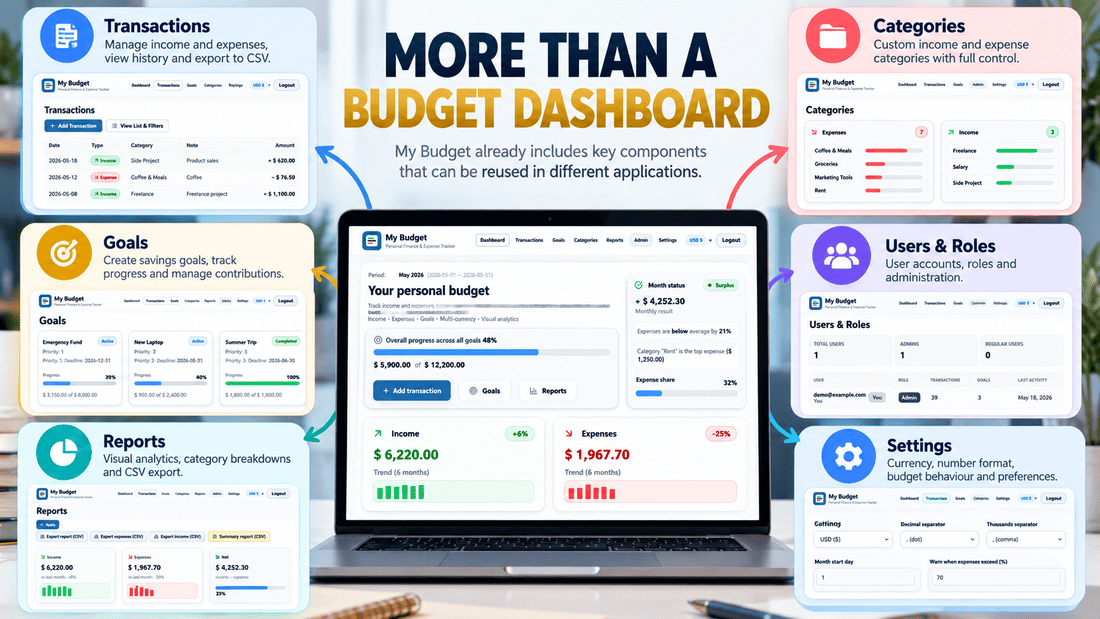
It also has a responsive interface, an installer and documentation. The application uses PHP and MySQL and is intended to be installed and customised on the buyer's own hosting environment.
These components are useful in a personal finance application, but many of them aren't specific to personal finance.
User authentication could serve almost any account-based application. Categories could organise different types of records. Reports could present business expenses instead of household spending. Financial goals could become project funding targets.
Of course, this doesn't mean that every financial application works the same way.
A household budget, a company's expense management system and an e-commerce profit tracker may all involve money, but they have different requirements. The further a new product moves away from the original purpose, the more likely it is that the existing architecture will need significant changes.
Still, it raises an interesting question: how many different products could begin with the same foundation?
Five Product Ideas Closest to the Original My Budget
The easiest possibilities to imagine are products that still revolve around income, expenses, budgets and savings.
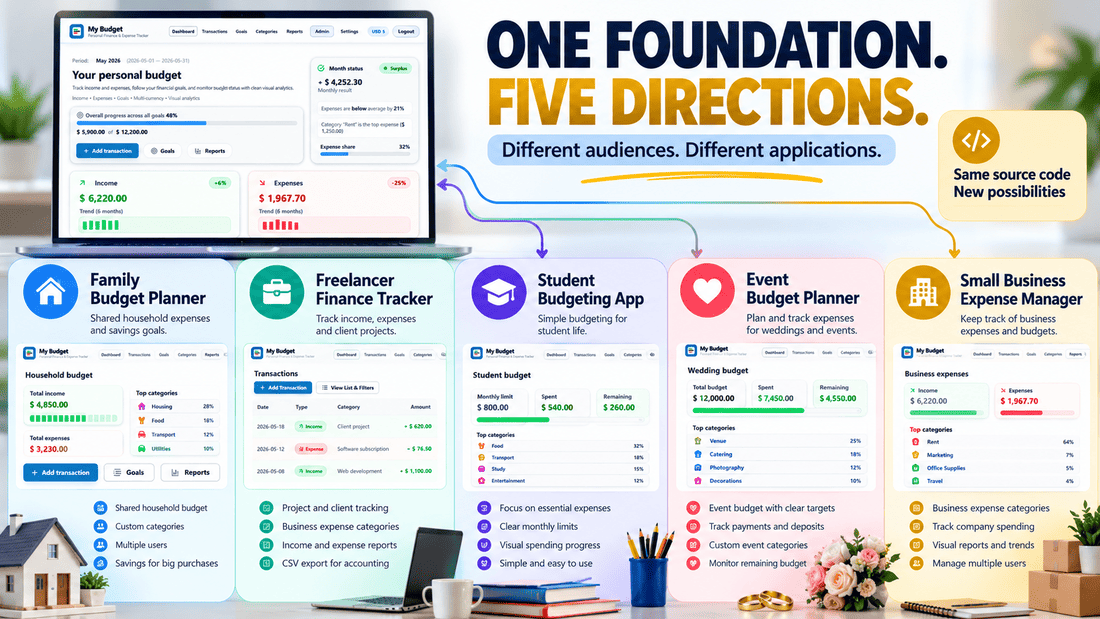
They wouldn't necessarily require an entirely different application architecture. Much of the work could involve adapting the interface, changing how information is organised and introducing features for a particular audience.
1. Family Budget Planner
A personal budget is usually organised around one person's financial activity. A family budget introduces another dimension: several people contributing to and spending from a shared household budget.
A family-oriented version of My Budget could allow households to organise groceries, utilities, transport, education, entertainment and other expenses in one place.
Savings goals could become shared plans for holidays, home improvements or larger purchases.
The existing transaction management, categories, dashboards and financial goals provide a relevant starting point.
However, a genuinely shared family application would need more than a different colour scheme and a new title.
It would require household membership, shared financial records and permissions defining who can see or change particular information. Some families might want everyone to see everything. Others might prefer separate personal and shared budgets.
The interesting part is that the underlying financial calculations may remain familiar while the relationships between users become much more complicated.
2. Freelancer Income and Expense Tracker
Freelancers often need to understand how much they earn, how much they spend and which projects are financially worthwhile.
A dedicated freelancer finance tracker could use My Budget's income and expense records to organise payments from clients, software subscriptions, equipment purchases and other business costs.
Categories could represent different types of business expenditure. Reports could help users review income and expenses over selected periods.
A more specialised version could associate transactions with individual clients or projects.
That would make it possible to answer questions such as whether a particular project generated enough income to justify its expenses.
But there is an important distinction between a simple income and expense tracker and a complete freelance accounting application.
Invoicing, tax calculations, accounting rules, payment reconciliation and financial compliance are separate areas of functionality. They aren't automatically provided by a personal budgeting codebase.
A relatively modest freelancer finance tool might be a sensible adaptation. A full accounting platform would be a much larger development project.
3. Small Business Expense Manager
A small business doesn't always need a complicated financial management platform to understand where its money is going.
Sometimes the immediate requirement is simpler: record expenses, organise them by category and review spending over time.
A version of My Budget could be adapted into an internal expense tracking application for a small company.
Instead of household categories, it might use marketing, office supplies, equipment, subscriptions, travel and operational costs.
The dashboard could show spending across those categories, while reports could provide a clearer picture of monthly expenditure.
The complexity would depend on how the business operates.
A single business owner recording expenses is one situation. A company where employees submit expenses and managers approve them is quite another.
The second scenario would need approval workflows, more detailed access permissions and possibly supporting documents or receipts.
This is a good example of how a product can begin with familiar functionality but gradually develop into something quite different.
4. Student Budgeting App
Students have their own financial concerns, and these don't always fit comfortably into a general-purpose personal finance application.
Rent, tuition, transport, food, part-time income and occasional financial support may be more relevant than the categories found in a conventional household budget.
A student-focused application could simplify the existing My Budget interface and concentrate on a smaller set of functions.
It might show how much money remains until the end of the month or academic term, track recurring living expenses and help users save towards a particular purchase.
There could also be room for more engaging features, such as spending challenges or visual progress towards a savings target.
Technically, this might be one of the closer adaptations because the underlying purpose remains personal budgeting.
The larger question would be about product design.
Would students prefer a detailed financial dashboard, or something that answers just two questions: how much have I spent, and how much can I still spend?
The codebase might be similar, but the experience could be noticeably different.
5. Wedding or Event Budget Planner
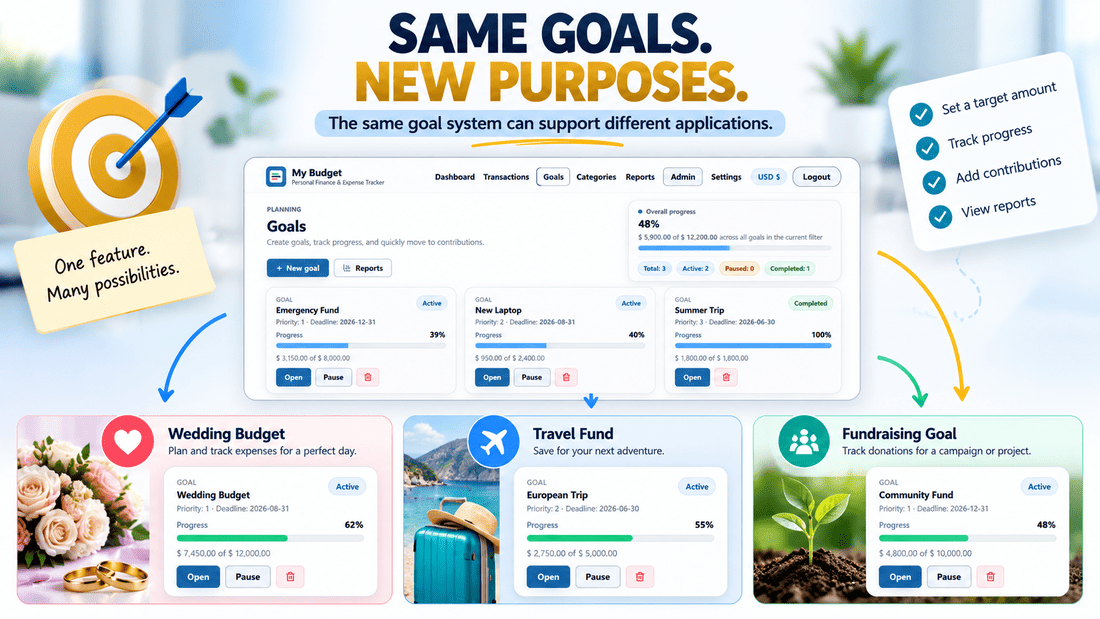
Planning a wedding or another large event involves managing many expenses within a limited budget.
Venue costs, catering, decorations, photography, transport and other services can quickly become difficult to organise.
My Budget's transaction categories and financial goals could be adapted to support an event budget.
Instead of a general monthly financial overview, the application could focus on the total event budget, estimated expenses, actual payments and remaining funds.
An event planner might also need to distinguish between deposits, outstanding balances and completed payments.
That would require additional information beyond a standard income or expense record.
A more ambitious version could include suppliers, payment deadlines and task management, although those features would move the application further from its original structure.
I find this an interesting possibility because it changes the time perspective of the software.
Personal budgeting is often continuous. An event budget is usually organised around a specific date and a defined project.
The financial records may look similar, but the way users interact with them would be different.
The Same Financial Features, but Different Customers
The next group of ideas is less about changing the basic financial functionality and more about changing who uses it.
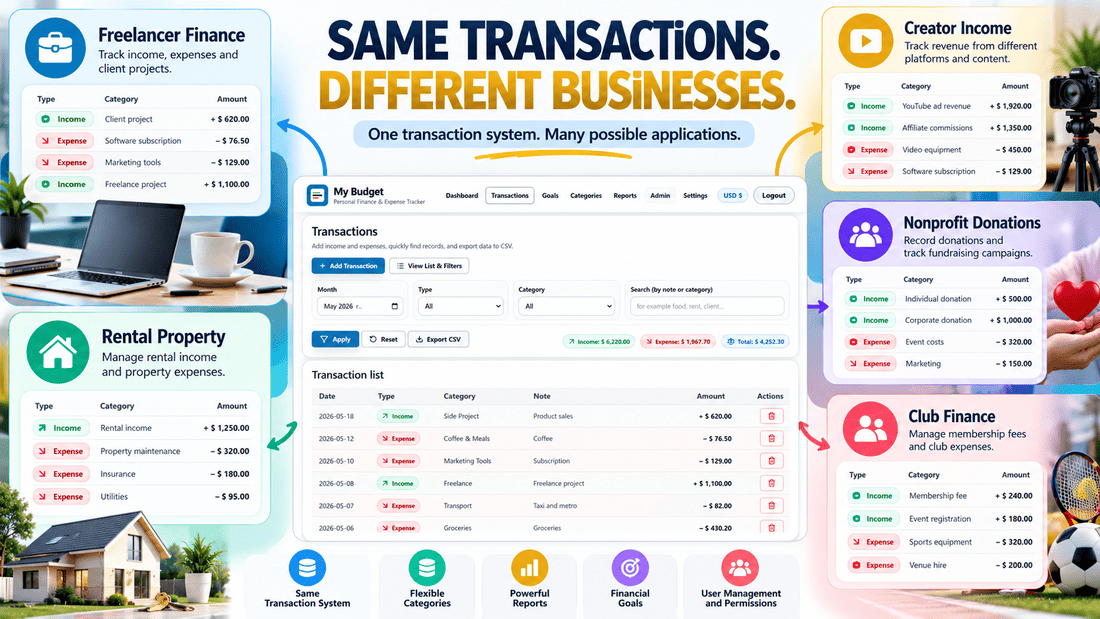
A transaction management system can serve a freelancer, a property owner or a community organisation. But each audience understands its financial activity differently.
That difference affects terminology, reports, permissions and the relationships between records.
6. Creator Income Tracker
Content creators may earn money from several sources: advertising, sponsorships, affiliate commissions, digital products or freelance work.
A creator-focused financial tracker could organise those income streams alongside production expenses, software subscriptions and equipment costs.
My Budget's transaction records and reporting features could provide the starting point.
The application could then introduce revenue-source tracking and project-level reporting.
For example, a creator might want to compare the revenue associated with a particular project against its production costs.
The result would be a financial management tool aimed at a specific type of independent business rather than a conventional household budget.
7. Club or Association Finance Manager
Sports clubs, hobby groups and small associations often collect contributions from members and spend money on shared activities.
A simple finance management tool could help a treasurer record membership payments, event expenses and other transactions.
Existing categories and reports could be adapted for that purpose.
However, membership management introduces new relationships between people and payments.
The application would need to know which members have paid, which payments are outstanding and who is authorised to manage financial records.
Depending on the organisation, it might also need different reporting periods or financial approval procedures.
This could be an interesting specialised product, but it wouldn't be complete without those additional workflows.
8. Nonprofit Donation Tracker
A donation tracker is another possibility built around incoming funds and financial goals.
Instead of recording salary or other personal income, the application could record donations associated with particular fundraising campaigns.
Financial goals could represent campaign targets, while dashboards could display progress towards those targets.
At first glance, this looks like a relatively natural adaptation.
But a nonprofit organisation may need donor records, restricted-fund tracking, donation acknowledgements and specific reporting capabilities.
Handling donor information also creates privacy and security responsibilities.
So although My Budget's financial components could be reused, a donation management product would require its own data model and careful attention to how information is collected and stored.
9. Rental Property Expense Tracker
Property owners often need to organise rental income and expenses associated with maintaining their properties.
A specialised application could track rent received, repairs, maintenance, insurance and other costs.
The existing income and expense functionality could be useful, but transactions would need to be connected to individual properties.
A property owner with several rentals might want to compare expenses and income across them.
A more complete product could introduce tenants, rent schedules, payment status and property-specific reporting.
Those additional relationships are what distinguish a rental property application from an ordinary budget tracker.
Without them, it would simply be a personal finance tool with renamed categories.
10. Travel Budget Planner
A travel budget planner is another variation that could begin relatively close to the original application.
Instead of organising finances by month, it could organise them by trip.
Users might create a budget for accommodation, transport, food, activities and other travel expenses.
Transactions could be assigned to a particular journey, while dashboards could show how much of the travel budget remains.
Additional features might include multiple currencies, shared expenses and comparisons between estimated and actual costs.
Currency conversion would need careful handling, particularly if the application were expected to work with historical exchange rates.
The most interesting design change would be the move from continuous financial management to a collection of individual trips, each with its own budget and records.
When the Product Starts Moving Further Away from Personal Finance
Not every interesting software idea is a close adaptation.
Some possibilities would reuse parts of My Budget but require much more extensive development.
At that point, the existing codebase becomes less of a nearly finished application and more of a foundation containing useful components.
11. Project Budget Management Tool
Imagine a small agency, contractor or independent professional managing several projects at once.
Each project has an estimated budget, actual expenses and perhaps different phases of work.
A project budget management tool could use financial transactions, categories and reports to monitor spending.
However, the application would need project records, relationships between projects and expenses, and possibly milestones or budget revisions.
The dashboard would also need to change.
Instead of focusing on personal financial health, it might show which projects are approaching their spending limits.
This is an example where the original financial features could remain valuable, but the organising principle of the entire application would change.
12. Subscription Expense Tracker
Subscriptions are an increasingly common type of expense for individuals and businesses.
A specialised tracker could help users organise recurring payments for software, streaming services, memberships and other subscriptions.
My Budget already has transaction and category management, but a dedicated subscription application would need additional functionality.
It would have to represent recurring payment schedules, renewal dates, billing periods and potentially changing subscription prices.
Notifications could remind users about upcoming renewals.
An interesting question is whether such an application should record every actual payment or also forecast future spending based on subscription schedules.
Those are different kinds of information, and the distinction would influence the database structure.
13. E-commerce Profit Tracker
An online seller may want to understand how much money remains after product costs, marketplace fees, shipping, advertising and other expenses.
My Budget's reporting and transaction functionality could contribute to such an application.
But a useful e-commerce profit tracker would require considerably more than general income and expense categories.
It might need product records, order data, refunds, inventory costs, marketplace fees and sales-channel integrations.
Even calculating profit can become complicated when returns, discounts, shipping and different accounting methods are involved.
This is probably one of the more ambitious ideas on the list.
It could reuse parts of the original application, but it would require a substantially different financial model.
14. Department Budget Tracker
A company might want a lightweight internal application for monitoring budgets across different departments.
Marketing, operations, administration and other teams could have separate spending allocations.
The application could use transaction records, dashboards and reporting, but would need department-level budgets and permissions.
Managers might need access to their own department's information, while administrators could review the organisation as a whole.
An approval process could also become important if employees were allowed to submit spending requests.
This would turn a personal finance foundation into a multi-user internal business tool.
The change isn't just about adding more accounts. It is about defining relationships between users, departments, budgets and decisions.
15. Savings Challenge App
Not every adaptation has to become more business-oriented.
A savings challenge application could take My Budget's financial goals and turn them into the centre of the experience.
Instead of presenting a conventional financial dashboard, the application could focus on saving towards particular targets.
Users might choose challenges, track contributions and see their progress through more visual interfaces.
Additional features could include milestones, reminders and different challenge formats.
The existing financial goal and contribution functionality would provide a relevant starting point, but the user experience could be redesigned almost completely.
This is a reminder that building a different product doesn't always require a more complicated business model.
Sometimes the main change is how existing functionality is presented and used.
Not All Fifteen Ideas Require the Same Amount of Work
Looking at these possibilities together, one thing becomes clear: reusing a codebase can mean very different things.
A student budget tracker might retain most of the original financial structure while changing categories, terminology and interface details.
A freelancer finance tracker could require new relationships between transactions, clients and projects.
An e-commerce profit tracker might need so many additional data structures and calculations that only selected parts of the original application remain useful.
There isn't a reliable way to estimate the development effort from the product name alone.
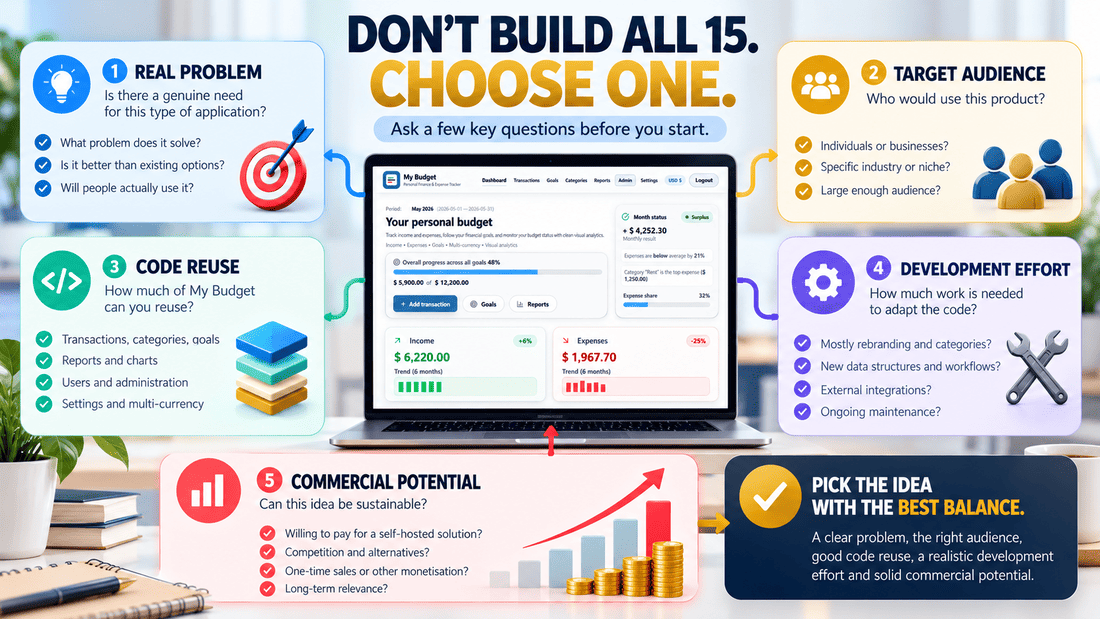
Even two applications described as expense trackers can have very different requirements.
A simple tracker where one person enters expenses manually is not the same as a business system that imports transactions, manages multiple users and supports approval workflows.
It helps to distinguish three broad levels of adaptation.
| Adaptation level | Example | What might change |
|---|---|---|
| Light | Student Budgeting App | Branding, terminology, categories and interface |
| Moderate | Freelancer Finance Tracker | Client and project records, specialised reports and workflows |
| Major | E-commerce Profit Tracker | Database architecture, integrations, financial calculations and business logic |
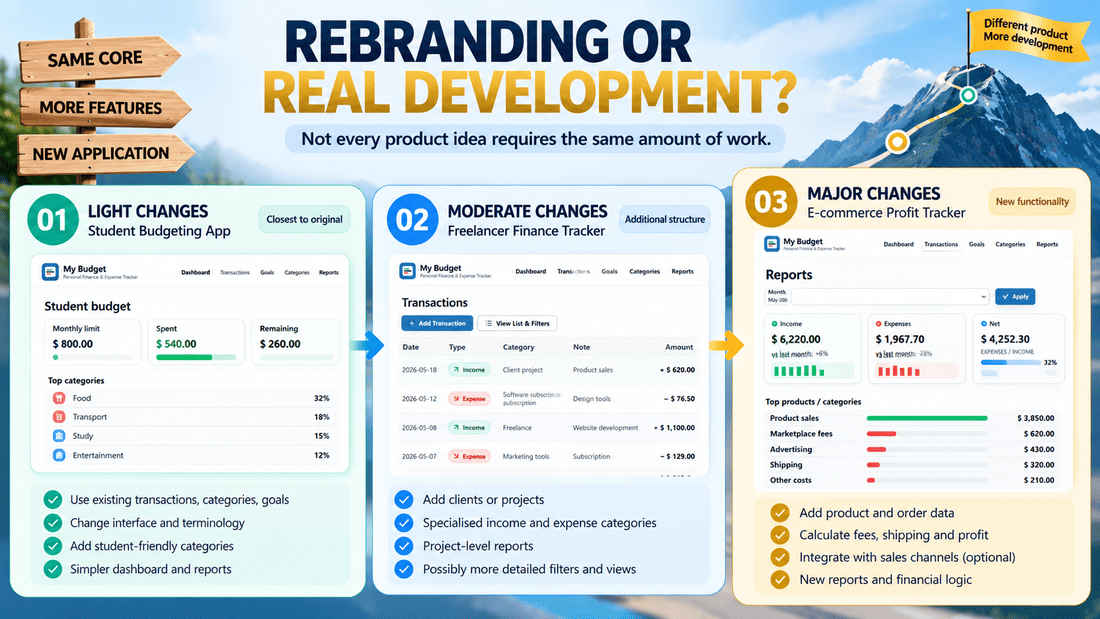
These are illustrative categories, not fixed development estimates. The actual work depends on the requirements of each product.
And there is another complication: the more specialised a product becomes, the more important its details become.
A generic expense tracker may be relatively simple. A specialised financial application must reflect the way its intended users actually work.
That is often where much of the development effort lies.
Rebranding Isn't the Same as Building a Different Product
One temptation when working with existing source code is to assume that changing the name, colours and a few interface labels is enough to create a new application.
Sometimes those changes are sufficient for a different presentation of essentially the same product.
But if the intended users have different workflows, cosmetic changes won't solve the underlying problem.
Consider a family budgeting application and a club finance manager.
Both might record incoming and outgoing money. Both might use categories and financial reports.
But a family may need shared household accounts and private financial information. A club may need membership records, payment status and treasurer permissions.
Those requirements affect how information is stored and who is allowed to access it.
The same applies to a travel budget planner.
Simply renaming a category to "Accommodation" doesn't create a travel planning application. A genuinely travel-focused product would probably need trips, dates, currencies and budgets associated with individual journeys.
This is where source-code customisation becomes actual product development.
The existing application may provide useful functionality, but the new product still needs its own structure and decisions.
The Most Useful Code May Be the Least Visible
When comparing software products, people naturally pay attention to features they can see.
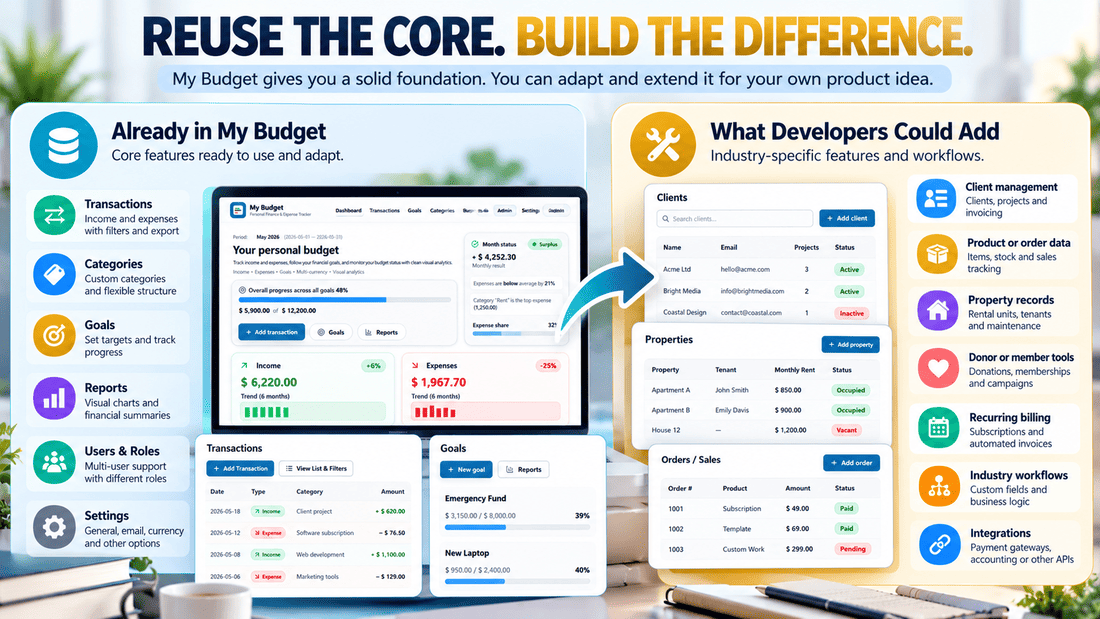
A polished dashboard, attractive charts and a well-organised interface create an immediate impression.
But when the goal is to build another application, some of the most useful components may be hidden behind those screens.
Authentication is a good example.
Almost every account-based application needs a way for users to sign in and manage access. The details vary, but the basic requirement appears across many different products.
The same is true of administrative functionality, database operations, validation, reporting and data exports.
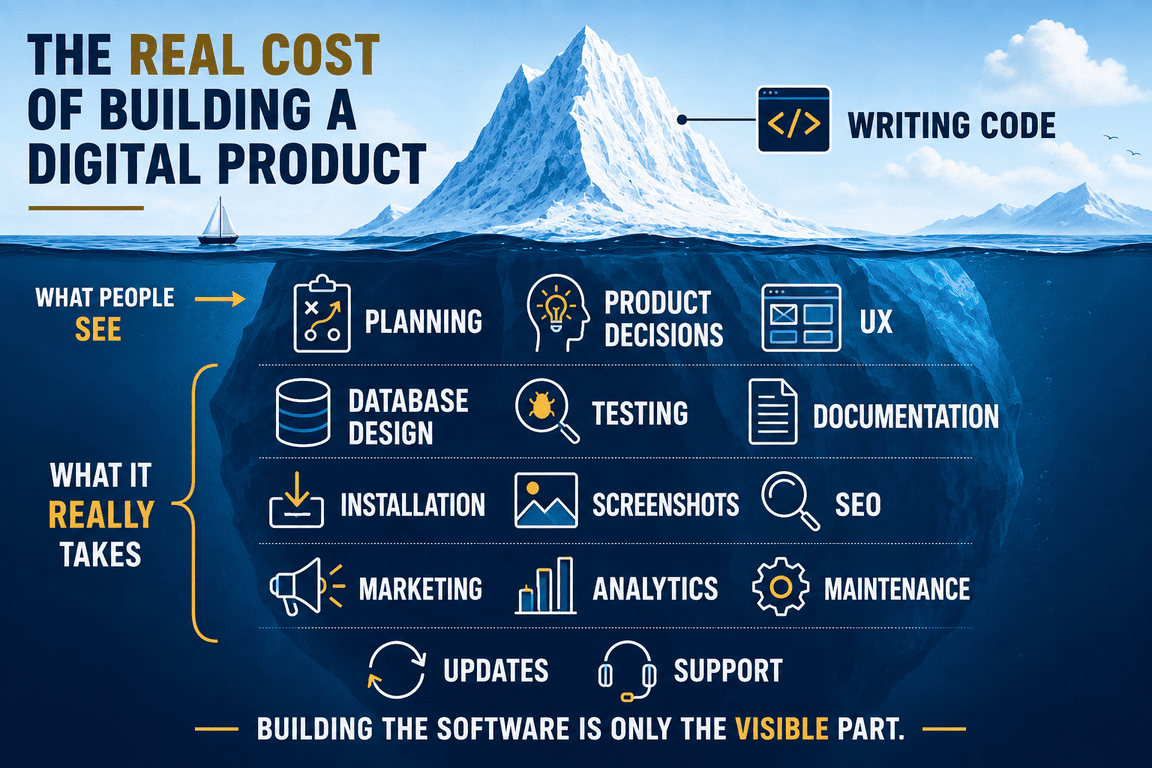
These components aren't particularly exciting in a product demonstration, yet they still need to be designed, implemented, tested and maintained.
That is part of the appeal of starting from existing source code.
A developer may be able to retain certain established components while concentrating more effort on the functionality that makes the new product different.
However, reuse is not automatically an advantage.
Existing code can contain assumptions that don't fit the new application. Features that were useful in the original product may become unnecessary. Database relationships may need restructuring, and changes in one part of the application can affect others.
Security also needs attention. Having an existing authentication system doesn't remove the need to review access controls, dependencies and data handling in the adapted product.
Sometimes modifying an existing application is more work than creating a smaller, purpose-built one.
The useful question isn't simply how much code can be reused.
It's how much of that code still makes sense for the new product.
Could AI Help Turn One Codebase into Several Products?
AI-assisted development introduces another interesting possibility.
Instead of starting with an empty project, a developer can work with an existing application and use AI coding tools to explore how it might be adapted.
For example, AI could help identify which files are responsible for transaction management, suggest changes to database relationships or generate an initial interface for a different audience.
It could also assist with refactoring, documentation and repetitive development tasks.
But there's a difference between generating code that looks plausible and producing an application that works reliably.
An AI tool might successfully rename transaction fields or create a new dashboard. That doesn't mean the resulting application has the correct data model, permissions or financial calculations.
Changes can introduce bugs, break existing functionality or create inconsistencies between the interface and database.
The more complicated the adaptation, the more important it becomes to understand the original code and test the changes carefully.
I use AI as part of my own development process, and one of the things that interests me is how it changes the practical value of existing code.
A working application gives both the developer and an AI assistant something concrete to examine and modify.
At the same time, the original architecture can limit what makes sense to build on top of it.
AI doesn't remove that trade-off. It simply becomes another tool involved in working through it.
One Codebase Doesn't Mean One Business
There's another side to these product ideas that has little to do with PHP or MySQL.
Even if several developers start with the same codebase, they may end up creating products for completely different customers.
One might develop a budgeting application for university students.
Another could build an internal expense tracker for small businesses.
Someone else might create a specialised tool for rental property owners.
The technical foundation could share some similarities, but the products would have different audiences, interfaces, features and reasons to exist.
A student budgeting application might need to be extremely simple and quick to use.
A small business expense tracker might prioritise reports, access permissions and reliable record keeping.
A rental property tool might need property-specific records and financial summaries.
Those differences also influence how the products are described and marketed.
A generic application with a long feature list may be less interesting to a particular audience than a smaller product that addresses a familiar problem clearly.
Of course, identifying a possible audience isn't the same as proving that people want the product.
A technically feasible idea can still struggle to attract users. A specialised product may serve a real need but face established competitors. Some audiences may prefer a spreadsheet or an existing service rather than another application.
Source code can provide a starting point for development. It cannot validate the market on its own.
That part still requires research, decisions and sometimes discovering that an idea isn't worth pursuing.
And What About Selling the Finished Product?
For developers and independent creators, these ideas raise another question: could an adapted version become a commercial product?
Potentially, yes, but the answer depends on more than the technical work.
A developer might create software for a specific client, build an internal tool for a business or develop a product intended for multiple customers.
Those are different situations with different responsibilities.
An application built for one company may not need the same installation process, documentation or configuration options as software distributed to many buyers.
A product offered as a hosted subscription introduces further considerations, including infrastructure, customer accounts, ongoing operations and support.
A self-hosted source-code product has a different distribution model, but it still requires attention to installation, licensing, security and maintenance.
The licence of the original codebase also matters. The right to modify source code doesn't automatically mean the right to redistribute it or sell every derivative version under any terms.
For My Budget, developers considering a commercial adaptation should check the applicable licence before deciding how to distribute the resulting software.
I find the distinction between building software and operating a software business particularly important.
A developer might enjoy creating a specialised application without wanting to run a subscription service, manage servers or provide continuous customer support.
Those choices are part of the product strategy, not just details to consider after development.
So, How Many Products Can One Budgeting Codebase Become?
I've described fifteen possibilities here, but the number itself isn't particularly important.
There could be more. Some of these ideas could also be combined, while others might turn out to be impractical once their requirements are examined properly.
What interests me more is how differently the same underlying functionality can be interpreted.
A financial goal might represent saving for a holiday, funding a community project or staying within a construction budget.
A transaction could be a household purchase, a business expense, a membership payment or a property maintenance cost.
The data may appear similar at first, but the purpose changes the product.
My Budget was created as a self-hosted personal finance source-code application. Its existing functionality makes certain adaptations more natural than others, and none of the ideas above should be mistaken for fifteen finished products included in the package.
They're possible directions for developers who want to build something of their own.
If you're considering a finance-related software project, you can explore the My Budget source code or view the demo to see what is already there and whether it offers a useful foundation for your idea.
Perhaps the most interesting thing about an existing codebase is that its original purpose doesn't have to be its final one.
The next product may begin with the same transactions, categories and reports, but end up serving people the original application was never designed for.